





Hindu University of America Logo

Hindu University of America

  • About HUA
          • About HUA
          • President’s Message
          • Goals & Objectives
          • Learning Outcomes
          • Mission & Vision
          • Values
          • Ethos And Culture
          • Our Promise
          • Team
          • Partners
          • Heritage
        • Learn more about HUA

        • Legacy Gift
        • Donate Today

  • Academics
          • Academics
          • Divisions
          • Programs
          • Areas of Study
          • Courses
          • Faculty
          • Credit Hours
          • Academic Calendar
        • Explore programs and courses

        • Browse our course catalog

  • Ayurveda
  • Admissions
          • Admissions
          • Contact
          • Apply
          • Conversion Formula
          • Credit Transfer
          • Tuition and Fees
          • Scholarships
        • Students
        • Learn more about our admissions process

        • Legacy Gift
        • Apply Now

  • Advancement
          • Advancement
          • Director’s Message
          • Giving to HUA
          • Giving Categories
          • Sustenance Funds
          • Capital Funds
          • Endowment Funds
          • Donor Recognition
          • Legacy Gift Guidelines
        • Learn about giving to HUA

        • Give to HUA

  • Activities
          • Videos
          • Webinars
          • Events
          • Photos
  • Blog
  • Login
          • Calendar
          • Drive
          • Chat
          • Meet
        • Access HUA Email

        • Access HUA LMS

Hindu University of America Logo

Hindu University of America

Menu

BECOME A FRIEND
Give to HUA
Login to LMS
Hindu University of America Logo

Hindu University of America

Menu

FAQ

BECOME A FRIEND
Give to HUA
Login to LMS
BECOME A FRIEND
Give to HUA
Login to LMS

Menu

  • About HUA
    • About HUA
    • President’s Message
    • Goals & Objectives
    • Learning Outcomes
    • Mission & Vision
    • Values
    • Ethos And Culture
    • Our Promise
    • Team
    • Partners
    • Heritage
  • Academics
    • Academics
    • Divisions
    • Programs
    • Areas of Study
    • Courses
    • Faculty
    • Credit Hours
    • Academic Calendar
  • Ayurveda College
  • Admissions
    • Admissions
    • Contact
    • Apply
    • Conversion Formula
    • Credit Transfer
    • Tuition and Fees
    • Scholarships
  • Advancement
    • Advancement
    • Director’s Message
    • Giving to HUA
    • Giving Categories
    • Sustenance Funds
    • Capital Funds
    • Endowment Funds
    • Donor Recognition
    • Legacy Gift Guidelines
  • Activities
    • Videos
    • Webinars
    • Events
    • Photos
  • Blog
  • Login
    • Calendar
    • Drive
    • Chat
    • Meet
Latest Blog Samvada Los Angeles: A Morning That Reawakened Pride in Sanatana Dharma
Annual Giving Campaign - 2025-2026 is under way. Donate today by Clicking Here, and help us reach our goal.
So far $293,744 has been raised out of a target of $ 3 Million. Click Here to donate today and help us reach our goal.

Course Details

Home / Course / Mimamsa Advanced

Mimamsa Advanced

$1,250.00

Register for Course

Course Code:

SAN8106

Credit Hours:

2 Semester-Credit-Hours/ 3 Quarter-Credit-Hours

Course Level:

800

Area of Study:

Sanskrit Studies

Course Description

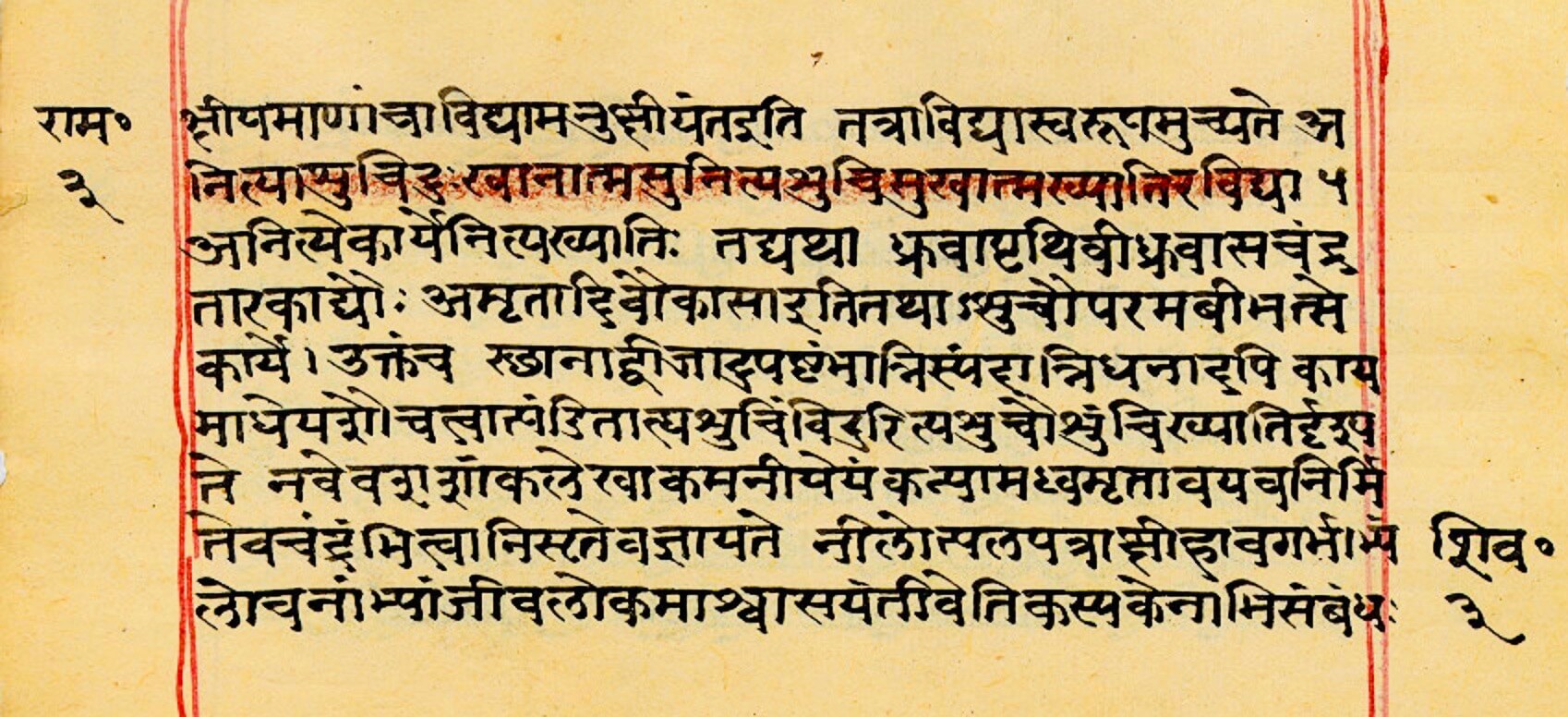
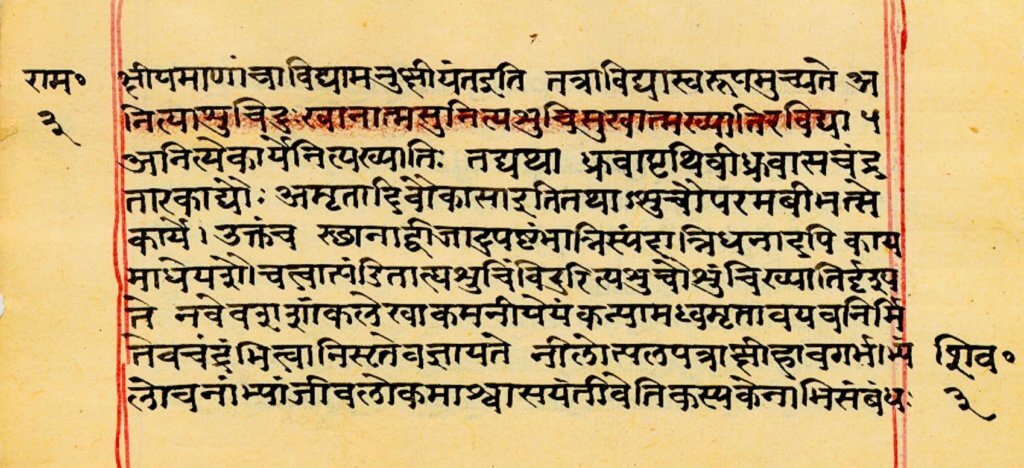
SAN8106 – Mimamsa Advanced course delves into the epistemological core of Pūrva-Mīmāṃsā, focusing on its six valid means of knowledge (ṣaṭ-pramāṇa)—from perception (pratyakṣa) to non-apprehension (anupalabdhi)—and the five objects of knowledge (pañca-prameya), such as substance (dravya), quality (guṇa), and action (karma). Students will explore the interpretive and philosophical significance of these categories in Vedic thought. Special attention is given to the contrasting perspectives of the Bhāṭṭa and Prābhākara schools, whose nuanced differences reveal deeper insights into the nature of reality and scriptural interpretation. Through rigorous analysis and comparative study, students will develop a critical understanding of Mīmāṃsā's enduring relevance in Hindu philosophical discourse.
Mimamsa Advanced - Hindu University of America, Philosophical Reflections | Upanishadic Dialogues
Apply for Program
Enroll In Program
Scholarships
Ask Us A Question
Express Interest

Program of Study

This course is part of the following programs:

  • Master of Arts in Sanskrit and Vedic Studies
  • Master of Arts in Sanskrit and Vedic Studies

Division

Graduate Division

Required / Core / Elective:

Elective

Prerequisites:

1. Admission into the MA Sanskrit Program.

2. Fluency in Sanskrit is required as the medium of Instruction is Sanskrit.

3. Completion of Mimamsa Basic course.

Semester / Quarter System:

Quarter

Number of Weeks:

10

Semester / Quarter Offered:

Spring 2026

Days of the Week:

Time:

Start Date:

End Date:

Faculty

Dr. Manjunath Bhat

Biography Coming Soon.
read more

Course Learning Objectives

In this course students will be able to:
  • Explain various aspects of the ṣaṭpramāṇa (six means of valid knowledge).
  • Describe the pañcapramēya (five objects of knowledge) according to the text Mānameyōdaya.
  • Distinguish between the views of the Bhāṭṭa and Prābhākara schools of Mīmāṁsā regarding pramāṇa and pramēya.
  • Examine the implications of the differences between the Bhāṭṭa and Prābhākara schools of Mīmāṁsā regarding pramāṇa and pramēya.
Mimamsa Advanced - Hindu University of America, Philosophical Reflections | Upanishadic Dialogues

Featured Testimonial

Course Content

Module 1: The Six Means of Valid Knowledge (Ṣaṭ-pramāṇa)

1: Perception (Pratyakṣa)

  • Direct perception of objects
  • The role of sense organs and mind

2: Inference (Anumāna)

  • Inferring the unperceived from the perceived
  • The five-membered syllogism (pañcāvayava-nyāya)

3: Comparison (Upamāna)

  • Understanding the meaning of a word by comparing it to a known object
  • The role of similarity and difference

4: Verbal Testimony (Śabda)

  • The authority of Vedic texts and their interpreters
  • The criteria for evaluating Vedic testimony

5: Implication (Arthāpatti)

  • Inferring a fact from a contradictory situation
  • The role of implication in understanding Vedic texts

6: Non-apprehension (Anupalabdhi)

  • Inferring the absence of a thing from its non-perception
  • The role of negative evidence in Mīmāṃsā


Module 2: The Five Objects of Knowledge (Pañca-prameya)

1: Substance (Dravya)

  • The nature of physical objects and their properties
  • The concept of eternal and non-eternal substances

2: Quality (Guṇa)

  • The inherent qualities of substances
  • The distinction between essential and non-essential qualities

3: Action (Karma)

  • The dynamic aspect of reality
  • The concept of efficient cause and effect

4: Universality (Sāmānya)

  • The general nature of a class of things
  • The role of universality in categorization

5: Particularity (Viśeṣa)

  • The specific difference between individuals of a class
  • The role of particularity in individual identity

Module 3: The Bhāṭṭa and Prābhākara Schools

1: The Debate on Pramāṇa and Prameya

  • The Bhāṭṭa view on the nature of knowledge and its objects
  • The Prābhākara view on the nature of knowledge and its objects

2: The Implications of the Debate

  • The impact of the debate on the interpretation of Vedic texts
  • The relevance of the debate for contemporary philosophical discussions

Each MSV course comprises 45 hours of teaching and with 2 quizzes and 2 assignments. The number of assignments and quizzes change subject to faculty discretion. Final exams for all courses conducted at the end of the semester.

X

Mimamsa Advanced

$1,250.00

Clear

Share:

Browse course catalog
Hindu University of America | HUA

Be Part of The HUA Community

Sign-up for HUA communications

Hindu University of America

Main Campus:

  • Pine Lake Retreat Center,
  • 21725 FL-33,
  • Groveland, FL 34736

Administrative Office:

  • 5200 Vineland Rd #125
    Orlando, FL 32811
  • 407 545 5057
  • 407-205-2118
  • info@hua.edu
  • Tax ID / EIN: 59-2977691
Links
  • About HUA
  • President’s Message
  • Goals & Objectives
  • Learning Outcomes
  • Mission & Vision
  • Values
  • Ethos And Culture
  • Our Promise
  • Team
  • Partners
  • Heritage
  • About HUA
  • President’s Message
  • Goals & Objectives
  • Learning Outcomes
  • Mission & Vision
  • Values
  • Ethos And Culture
  • Our Promise
  • Team
  • Partners
  • Heritage
Social
  • Facebook
  • Twitter
  • Instagram
  • Youtube
  • LinkedIn

Be Part of The HUA Community

Sign-up for our free webinars

Cart
  • Your cart is empty! Return to shop
Checkout - $0.00
  • 0
  • 1
Master of Arts in Sanskrit and Vedic Studies
Please click on the link below to enroll into the Mimamsa Advanced Program or the appropriate phase.

On the program page, there are multiple payment plan options to choose from.

Master of Arts in Sanskrit and Vedic Studies

Mimamsa Advanced

Courses in the Program

  • SAN5101 Vedic Sciences Foundations
  • SAN5102 Vyakarana 01
  • SAN5103 Sahitya I – Landscape
  • SAN5104 Veda I – Introduction to Vedas
  • SAN6101 Nyaya Vaisesika Basic
  • SAN6102 Vyakarana II
  • SAN6103 Sahitya II – Padya
  • SAN6104 Vedas II – Rgveda
  • SAN6105 Yoga Basic
  • SAN7101 Nyaya Vaiseshika Advanced
  • SAN7102 Vyakarana III
  • SAN7103 Sahitya III – Nataka
  • SAN7104 Veda III – Yajurveda-Samaveda
  • SAN7105 Ayurveda Basic
  • SAN7106 Mimasa Basic
  • SAN7107 Jyotisha Basic
  • SAN8101 Term Project
  • SAN8102 Vyakarana IV
  • SAN8103 Sahithya IV – Gadya and Campu
  • SAN8104 Veda IV – Atharva Veda
  • SAN8105 Yoga Advanced
  • SAN8106 Mimasa Advanced
  • SAN8107 Jyotisha Advanced
  • SAN8108 Ayurveda Advanced
  • SAN8109 Vedanta Basic
  • SAN8110 Vedanta Advanced